
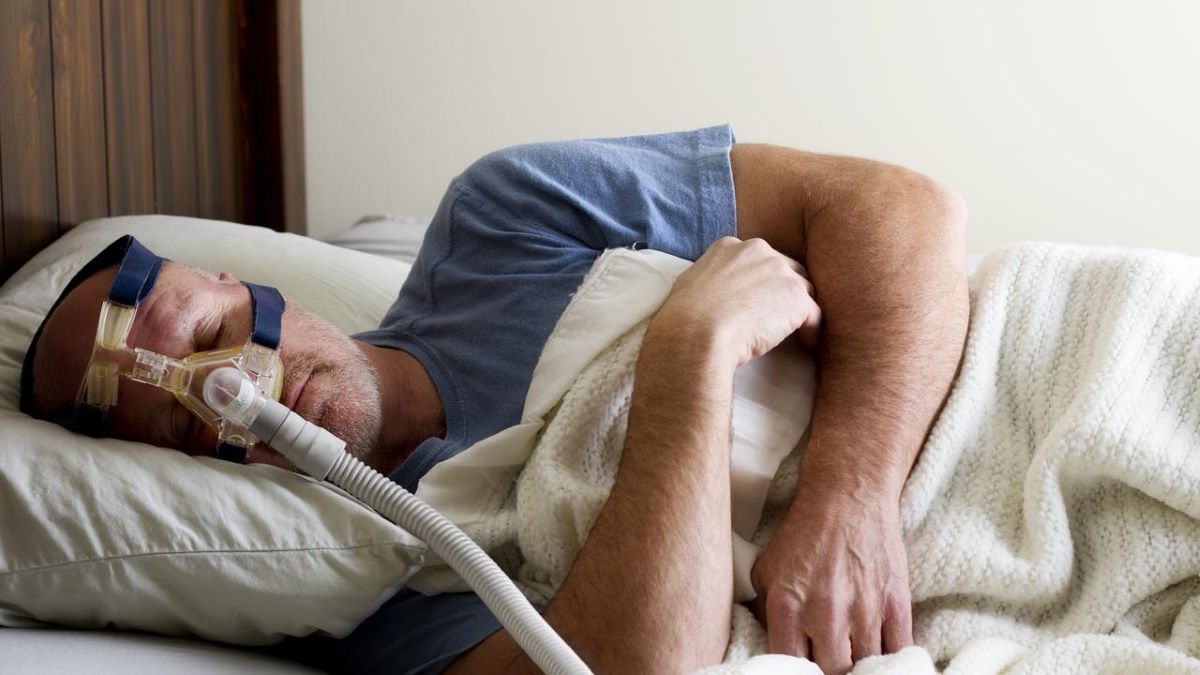
Choosing a first CPAP can feel like a lot, especially when they are also learning what “pressure”, “mask fit”, and “compliance” even mean. This revisit focuses on what usually matters most for new users in Australia: comfort, simplicity, local support, and getting set up properly.
This guide does not replace a clinician’s advice. It helps beginners narrow options and ask better questions before they buy.
What is the best CPAP machine for beginners in Australia, revisited?
For most new users, the best starting point is a modern Auto CPAP (APAP) from a major brand, set up by an Australian sleep clinic or CPAP provider with proper education and follow-up. That mix of easy comfort features, automatic pressure adjustment, and local support is what tends to keep beginners using therapy consistently.
When someone asks what are the best CPAP machines for beginners in Australia, the “best” is usually the one they will actually tolerate every night.
Why do most beginners start with an Auto CPAP rather than a fixed-pressure CPAP?
Auto CPAP is often easier to live with because it adjusts pressure through the night, which can feel gentler during sleep onset and positional changes. For beginners, that can reduce the “pushing air” sensation that makes early nights difficult.
A fixed-pressure CPAP can still be ideal if a sleep physician prescribes it for a clear reason, but many first-time users do well on APAP with clinician-reviewed settings.
Which features matter most for a beginner CPAP in Australia?
The top features for beginners are comfort and ease of use, not extra modes they may never need. Most people should prioritise an integrated humidifier, heated tubing compatibility, quiet operation, and an automatic start/stop function.
For anyone revisiting what is the best CPAP machine for beginners in Australia, these features typically do more for adherence than a long list of advanced settings.
How important is humidification for first-time CPAP users?
Humidification is often crucial because dry air can trigger nasal congestion, sore throat, and mouth dryness, especially in air-conditioned homes or during cooler months in cities like Melbourne, Canberra, and Hobart. Beginners commonly quit early when dryness is unmanaged.
An integrated humidifier with simple controls is usually enough. If dryness persists, heated tubing and mask changes can help.
Should beginners choose a quiet CPAP machine, and what counts as “quiet”?
Yes, because noise affects both the user and their partner, and annoyance builds quickly in the first few weeks. “Quiet” is usually a combination of machine sound, airflow sound, and mask leak noise.
In practice, the quietest option is typically a current-generation APAP from a leading brand, correctly set up, with a well-fitted mask that does not leak.
Is a ramp feature actually helpful, or is it optional?
Ramp is helpful for many beginners because it starts at a lower pressure and increases gradually, which can reduce anxiety and make it easier to fall asleep. It is especially useful for those who feel pressure strongly when they first put the mask on.
Some people stop using ramp once they are comfortable. Others keep it on long term. Either is fine if therapy remains effective.
What is the best CPAP machine for beginners in Australia if they want the simplest setup?
The simplest path is a mainstream APAP with an integrated humidifier, clear on-screen guidance, and strong Australian aftercare. Beginners typically do best when a local provider helps them select a mask, sets comfort features, and reviews data early.
When they search what is the best CPAP machine for beginners in Australia, “simple” should include support and education, not only a one-click online checkout.
Which CPAP brands are most beginner-friendly in Australia?
In Australia, the most commonly recommended beginner-friendly brands are the large, established manufacturers with proven reliability, easy-to-use menus, and widely available consumables. That matters because beginners often need quick mask swaps, replacement cushions, and troubleshooting.
Availability through Australian clinics and providers also affects turnaround times for parts and warranty support, which can make early therapy less stressful.
Should a beginner buy online in Australia or go through a clinic?
A clinic or CPAP provider is often better for a first purchase because mask fitting and early coaching can decide whether therapy sticks. Many Australians need one or two mask changes in the first month, and that is easier with local support.
Online purchases can work if they already know their prescribed settings, understand mask sizing, and can access follow-up. Otherwise, the savings can disappear if they buy the wrong mask or ignore leaks.
What is the best CPAP machine for beginners in Australia if budget is tight?
A tight budget does not mean they should accept poor comfort. The best approach is usually either a previous-generation APAP from a reputable brand, a properly refurbished unit from a trusted Australian supplier, or a new entry-level model with essential comfort features.
For anyone revisiting what is the best CPAP machine for beginners in Australia, the lowest price is rarely the best value if it leads to non-use.
What is the real “beginner mistake” that makes people hate CPAP?
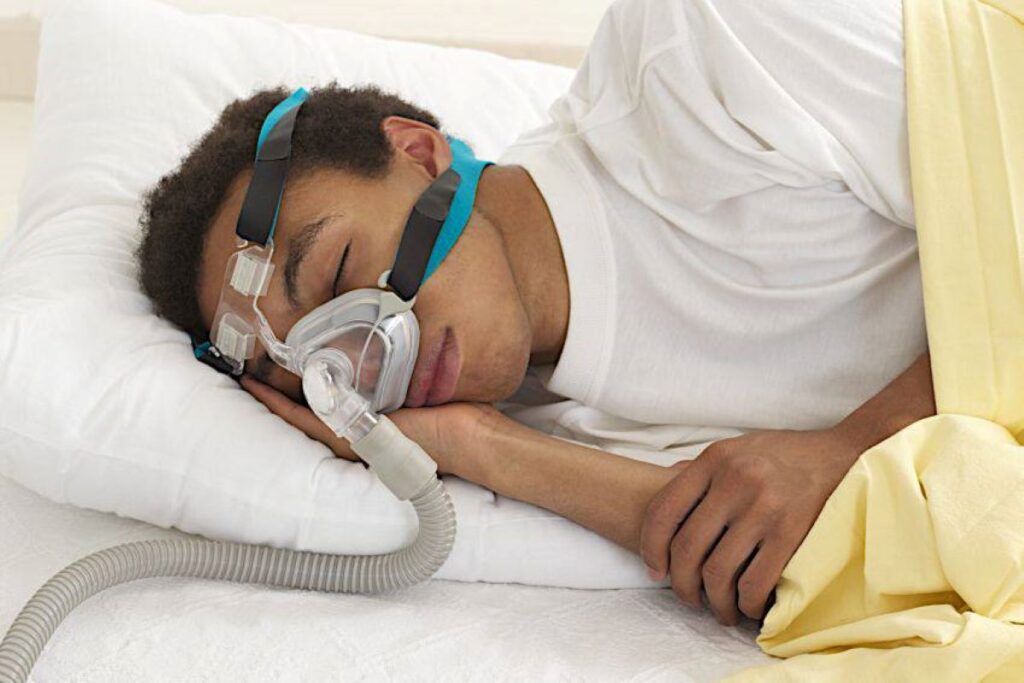
The most common mistake is treating the machine choice as the main decision and underestimating the mask. A beginner can have an excellent device and still fail therapy if the mask leaks, pinches, or forces mouth breathing.
A second common mistake is ignoring early discomfort and waiting months to fix it. Most issues are solvable quickly with mask refits, humidification changes, or small setting tweaks.
How should beginners choose between nasal, nasal pillow, and full-face masks?
They should match the mask to how they breathe and sleep, not to what looks smallest in the box. Nasal and nasal pillow masks often feel less intrusive and suit many beginners who breathe through their nose. Full-face masks can be better for habitual mouth breathers or those with nasal blockage.
Fit, seal stability when side-sleeping, and comfort at the bridge of the nose or nostrils tend to matter more than mask style labels.
Does facial hair, side-sleeping, or TMJ affect what a beginner should buy?
Yes, because these factors influence mask seal and comfort for people with obstructive sleep apnoea. Facial hair can make some full-face masks leak, so nasal options or specific cushion styles may work better. Side-sleepers often need a mask that remains stable with pillow contact, plus a suitable pillow or CPAP pillow.
Jaw pain or TMJ can worsen with tight headgear. A clinician can help trial different masks and adjust strap tension properly.
What is the best CPAP machine for beginners in Australia for travellers?
For travel, the best option is often a compact travel CPAP, but many beginners do better by starting on a full-size home unit first. Home units are usually quieter, have better humidification, and are more forgiving during the learning phase.
If they travel frequently within Australia for work, they can consider a second device later. Revisit what is the best CPAP machine for beginners in Australia with travel needs once therapy is stable.
Do beginners need an app and data tracking, or can they ignore it?
They do not need to obsess over numbers, but basic tracking can help identify leaks, poor mask fit, or low usage early on. Many modern machines share summary data with clinicians and show a simple “usage” score that keeps beginners accountable without overwhelm.
If they feel anxious about data, they can ask the provider to handle monitoring and focus on comfort and routine.
How can a beginner tell if their CPAP settings are right?
They should feel gradually more settled on therapy over the first few weeks, with fewer awakenings and less daytime sleepiness in many cases. Signs settings may need review include persistent discomfort, aerophagia (swallowing air), ongoing snoring, and high leak rates.
Only a qualified clinician should change prescribed therapy settings, but beginners can report symptoms early so adjustments happen quickly.
What should beginners ask an Australian CPAP provider before buying?
They should ask questions that protect them from a poor first experience. Key questions include whether mask trials or swaps are available, what follow-up is included, and how warranties are handled in Australia.
They should also ask how to access replacement parts, how often filters and cushions should be replaced, and whether a sleep physician will review therapy data after the first few weeks.
What is the best CPAP machine for beginners in Australia when comfort is the priority?
Comfort-first beginners usually do best with an APAP that offers exhalation relief, a responsive algorithm, and easy humidification controls, paired with a mask that seals gently. Comfort is not just a “nice to have”; it is often the difference between nightly use and a machine gathering dust.
When someone again asks what is the best CPAP machine for beginners in Australia, comfort should be treated as a core clinical outcome because it drives adherence.
How should beginners set up their CPAP at home for the first week?
They should place the machine on a stable bedside surface, route the hose to reduce tugging, and keep distilled or demineralised water ready if using humidification. A consistent bedtime routine helps, including wearing the mask while reading or watching TV for short periods to acclimatise.
If problems arise, they should contact their provider quickly. Early fixes prevent frustration from becoming avoidance.
Are second-hand CPAP machines safe to buy in Australia?
They can be, but only when sourced from reputable Australian suppliers who clean, test, and verify run-hours, and when the buyer uses new patient-contact items like masks, cushions, and hoses. Private second-hand purchases carry higher risks because the device history and hygiene cannot be confirmed.
Beginners should weigh the savings against the cost of replacing parts and the risk of limited support.
What ongoing costs should beginners expect in Australia?
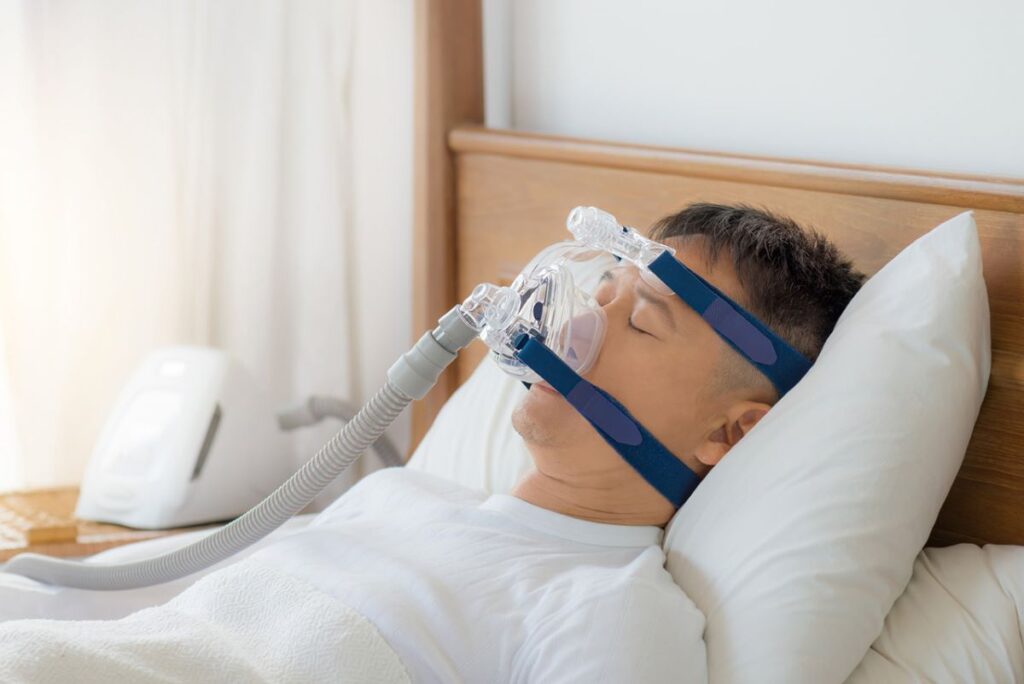
Most ongoing costs are consumables and occasional replacements: filters, mask cushions or pillows, headgear, tubing, and humidifier tubs if applicable. Costs vary by brand and mask style, and private health insurance extras may cover part of it depending on the policy.
Planning for these costs makes it easier to stay consistent long term.
What is the best CPAP machine for beginners in Australia, revisited, in one practical rule?
Pick a reputable APAP with humidification, buy it through an Australian provider who offers mask fitting and follow-up, and prioritise the mask and comfort settings as much as the machine. That approach usually prevents the common early failures.
For most people, that is the most realistic answer to what is the best CPAP machine for beginners in Australia.
What is a simple shortlist beginners can use when comparing models?
They can use a shortlist that keeps the decision grounded:
- Is it an APAP from a major brand with Australian warranty support?
- Does it include an integrated humidifier and optional heated tubing?
- Does it have exhalation relief and a usable ramp feature?
- Is it genuinely quiet in a bedroom, with stable performance?
- Can they trial or swap masks through an Australian provider?
- Will a clinician review results and help adjust comfort settings?
If a model fails any of these, it is usually not a strong first choice.
What should beginners do next if they still feel unsure?
They should bring their sleep study report to an Australian sleep clinic or CPAP provider and ask for a beginner-focused setup appointment. A guided fitting, a clear cleaning routine, and a follow-up check in the first two to four weeks often matter more than choosing a “perfect” machine on day one.
That is also the fastest way to turn the question what is the best CPAP machine for beginners in Australia into a setup they can actually stick with.
Related : Oxygen Therapy at Home: What Equipment Do You Really Need?